Vista Mare

Vista Mare
Photo: t-online.de

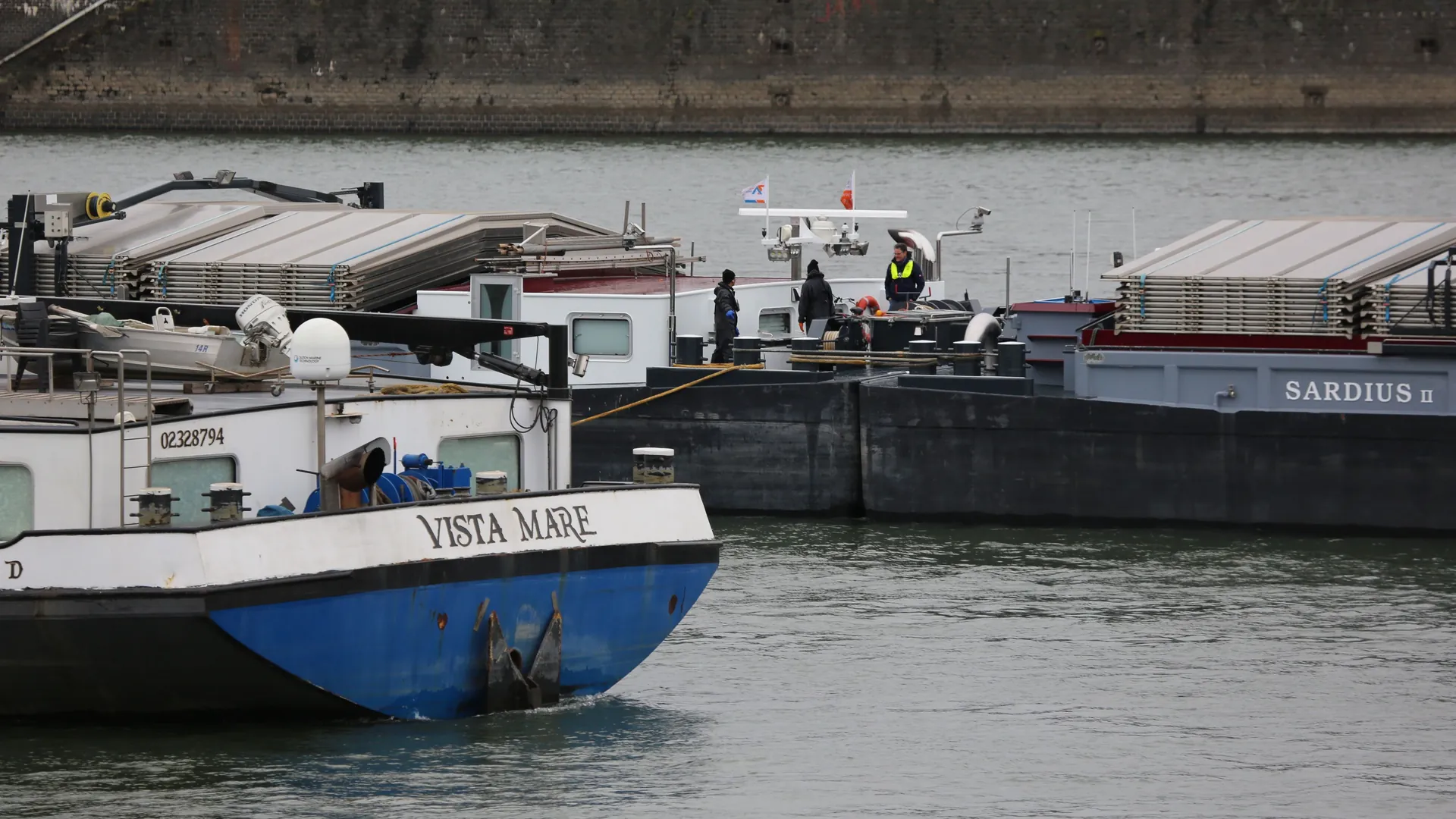
On the early morning of January 9, the 110 meter long self-propelled barge Vista Mare (MMSI: 244670495) ran aground on the Rhine River at Cologne, Germany. The Vista Mare departed from Koblenz bound for Dunkirk when it grounded near the 687 kilometer mark. The vessel attempted to free itself, but was unsuccessful. The Vista Mare would remain aground for nearly 8 hours until the self-propelled barge Sardius (MMSI: 244387115) pull it free. The Vista Mare was towed to Rheinauhafen where it was detained until water levels rise on the River.
The water police temporarily halted traffic in the area near the grounding site resulting in 7 vessels being delayed.  After the Vista Mare was freed and a survey of the river bottom was completed, traffic resumed on the river. The water police fined the Visa Mare‘s master for being overloaded. The incident is under investigation. No reports of injuries or pollution released. The Vista Mare had a prior incident. In December 2024, the vessel nearly sank in Zutphen.
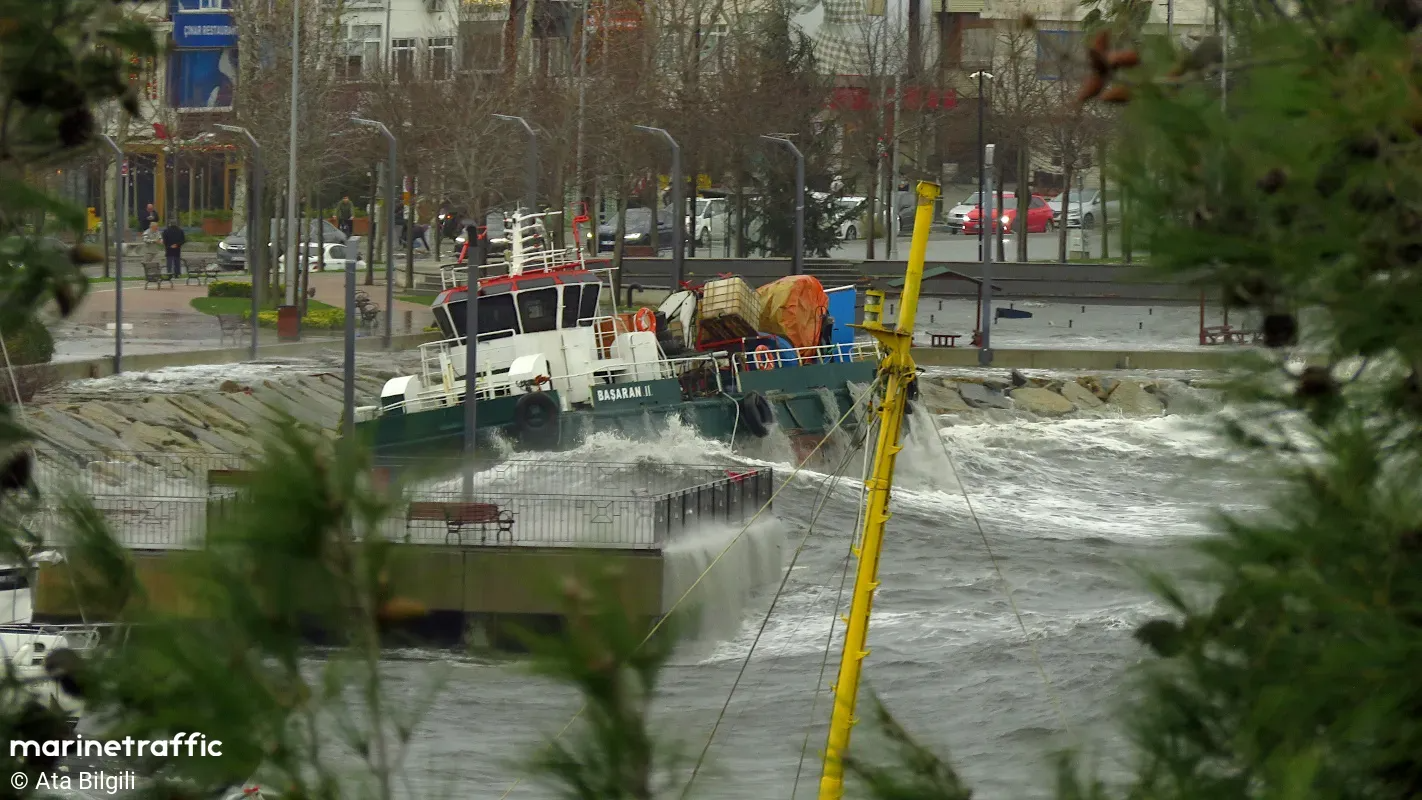
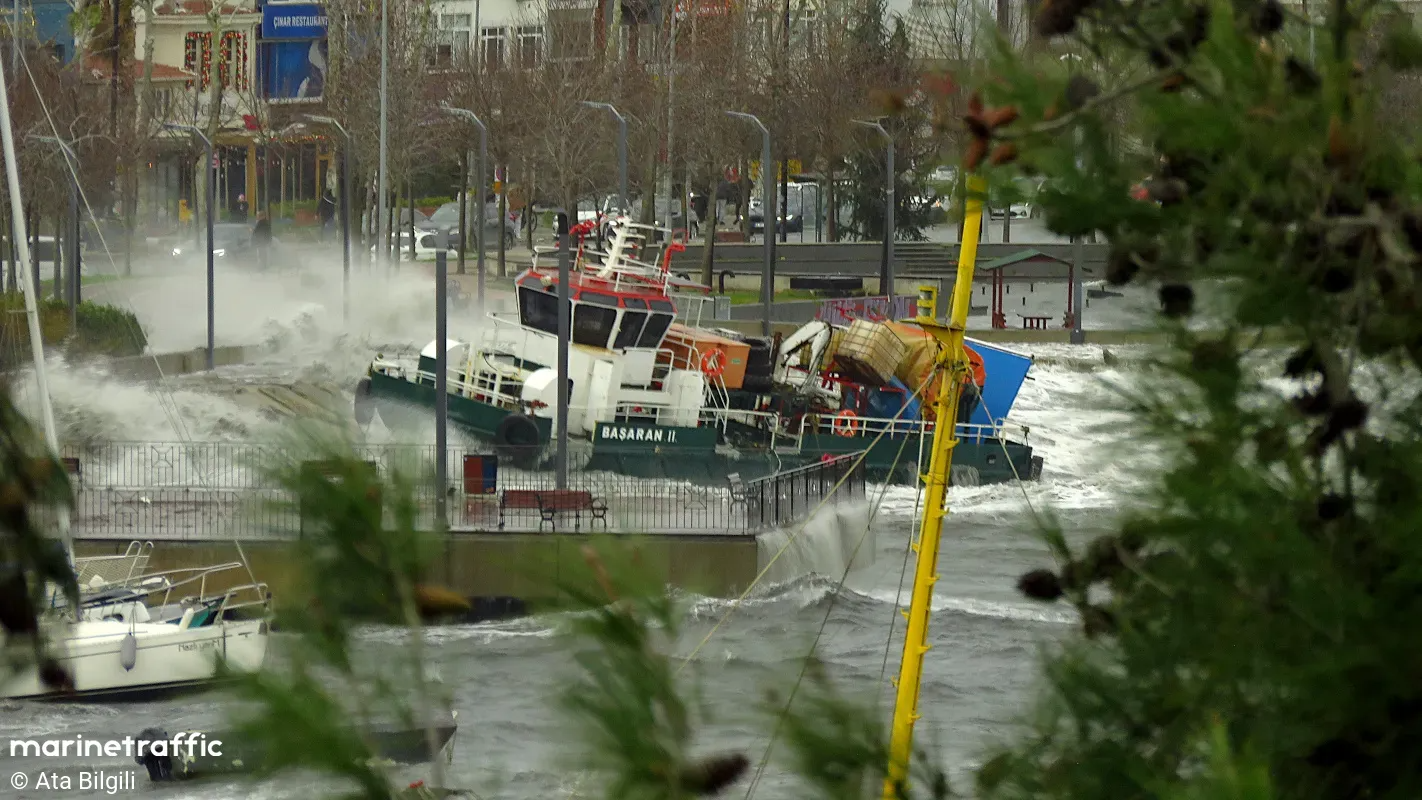
 

Basaran II

On January 8, the 14 meter long anti-pollution vessel Basaran II (MMSI: 271041620) sank in the Sea of Marmara along the coast at Tuzla, Turkey.  A severe storm struck the Sea of Marmara. High waves drove the Basaran II from its moorings onto the seawall.  Reports state the waves caused the vessel to smash into the seawall until the hull was holed allowing water ingress. The vessel would partially sink off the seawall.  No reports of injuries.

Basaran II


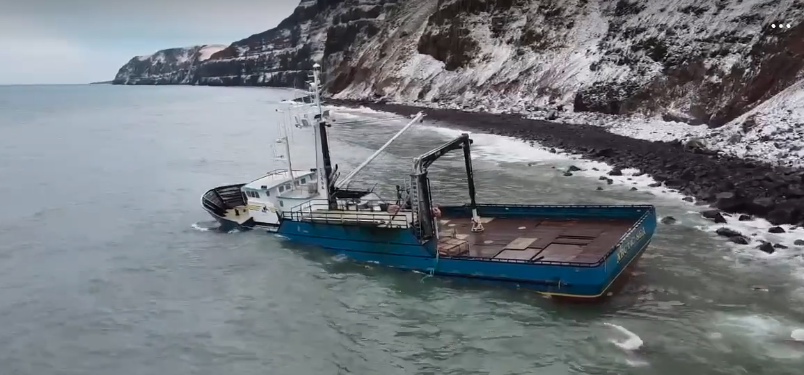
FV Arctic Sea Oil Spill

FV Arctic Sea
Photo: TikTok

On January 8, Alaskan authorities reported an oil spill was spotted near the grounded fishing vessel Arctic Sea.  The 41 meter long, 485 gt fishing vessel Arctic Sea (IMO: 7819216) had run aground in the Bering Sea off St. George Island, Alaska on January 5.  All 9 crew would be rescued by a Coast guard helicopter leaving the fishing vessel stranded along the shoreline.

Alaskan Environmental authorities reported the spill is most likely from the 50,000 gallons of diesel fuel on board the fishing vessel. The Arctic Sea also was carrying 2,000 gallons of lube oil and hydraulic fluid. While authorities can see an oil slick in the water, there is no estimate of how much oil pollution has been released. With sea lion and seals rookeries just being 2 miles west of the spill, there is concern the pollution could have a major environmental impact.

In the fishing vessel’s hold there is some 11,000 pounds of tanner crab which can release toxins and bacteria that can poison the water and kill nearby crab in the area.

Authorities are also concern of a lesser known risk. St. George Island is a rat free island and there is concern that if the Arctic Sea had any rodents at the time of the incident, they may reach the shore alive. Rats would have a major impact of ground-nesting birds and other wildlife in the area. Governmental and local communities have spent many years and resources to clear islands of rodents. When a Japanese vessel wrecked on Hawadax Island, Alaska in 1780, it would take another 229 years before the rodents would be removed from the island.

Reports state that Resolve Marine has been contracted for salvage operations. The common practice is to remove the fuel and oil off the vessel to mitigate pollution risks, but bad weather may prevent any salvage for several months.