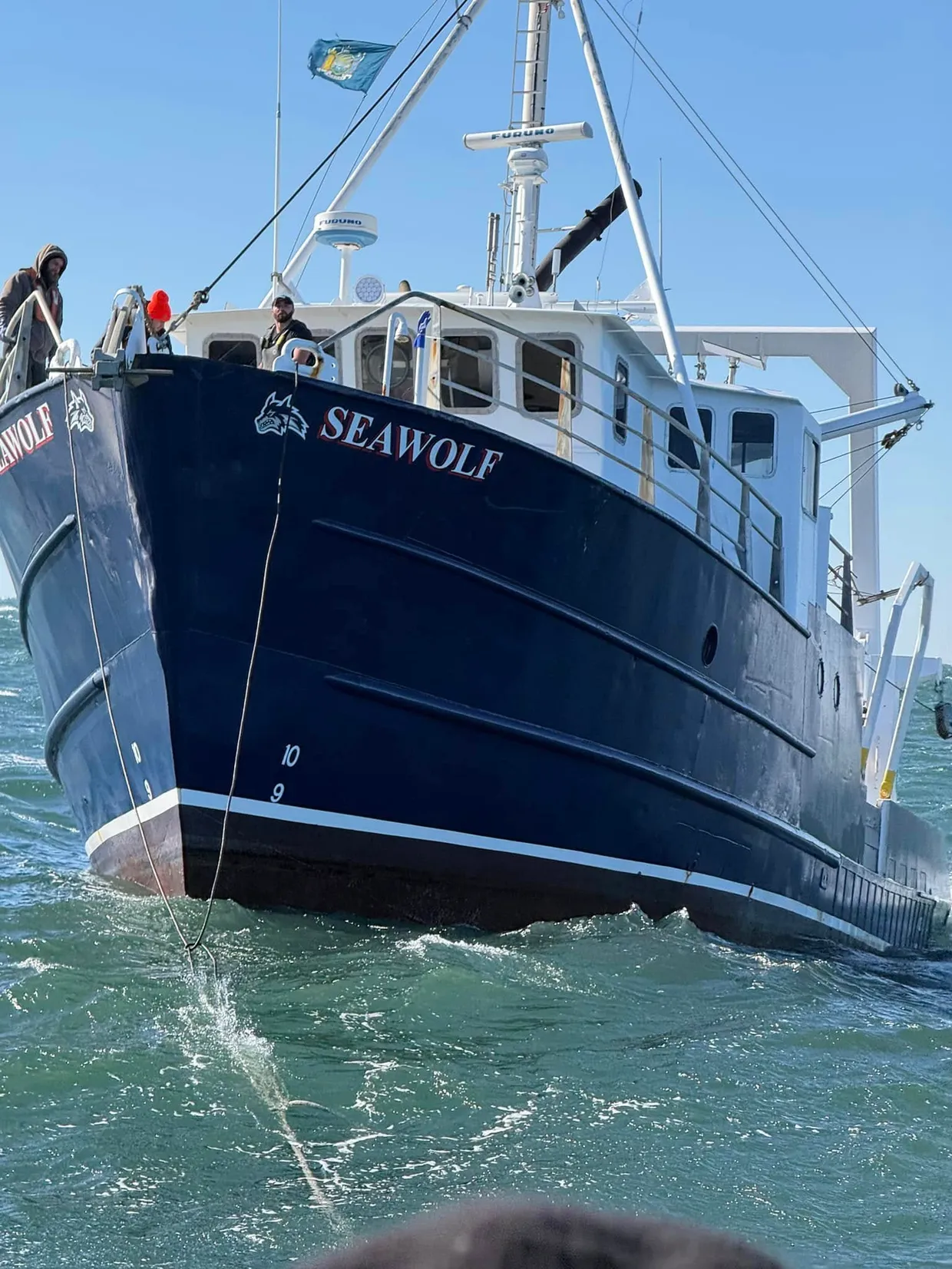
On January 15, the 80 foot long, 122 gt research vessel SeaWolf (IMO: 8853489) became disabled in the Atlantic Ocean about 10 miles off Cape May Inlet, New Jersey. The SeaWolf had gone adrift after the vessel suffered a breakdown with the vessel’s transmission. Unable to make repairs and weather conditions having high winds reaching 35 miles per hour, the SeaWolf contacted SeaTow for assistance. The SeaTow dispatched a 45 foot vessel which was able to reach the vessel a litter over an hour later. The SeaWolf was taken under tow and was successfully towed to Cape May Harbor. No reports of injuries or pollution released.
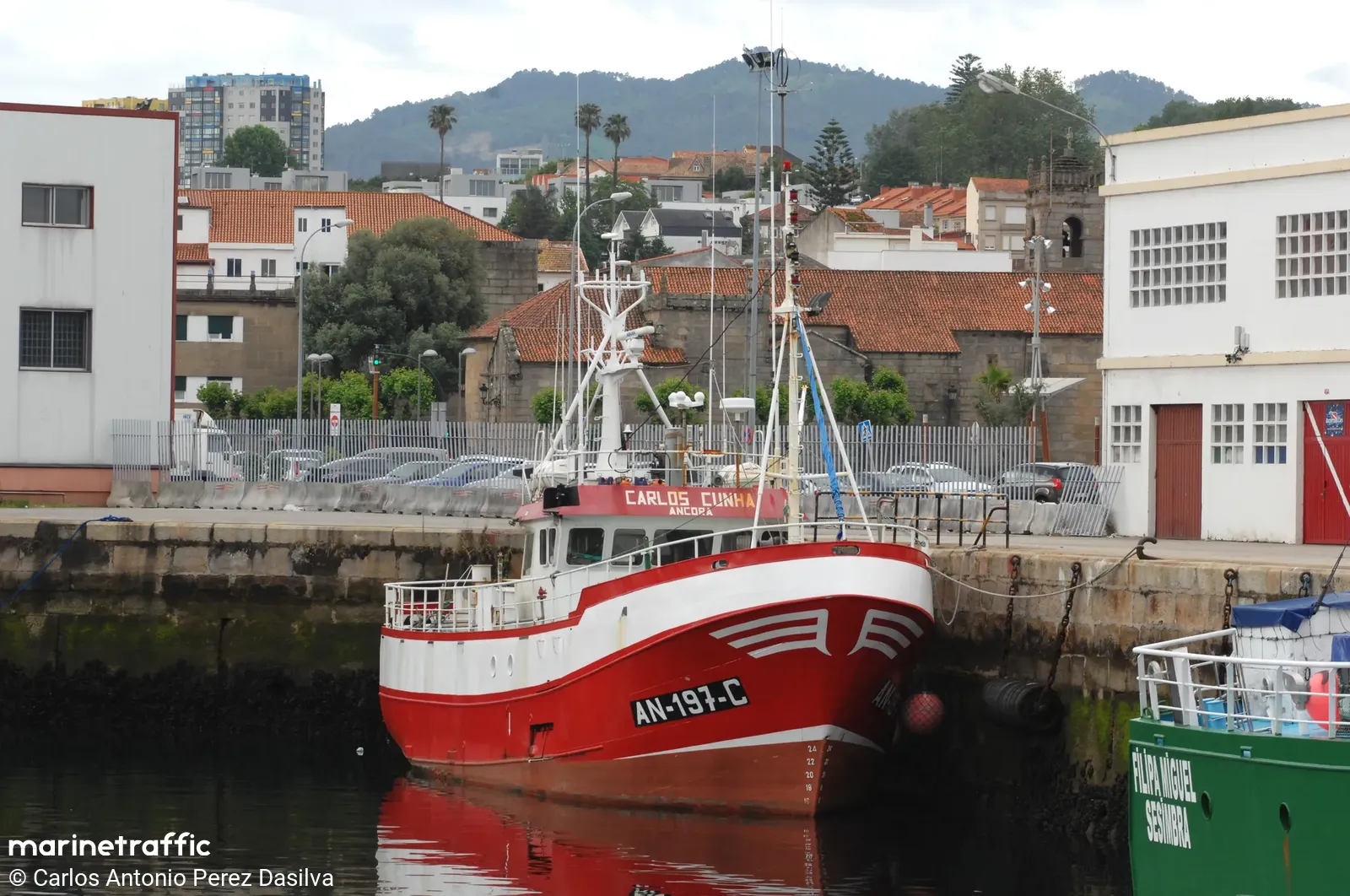
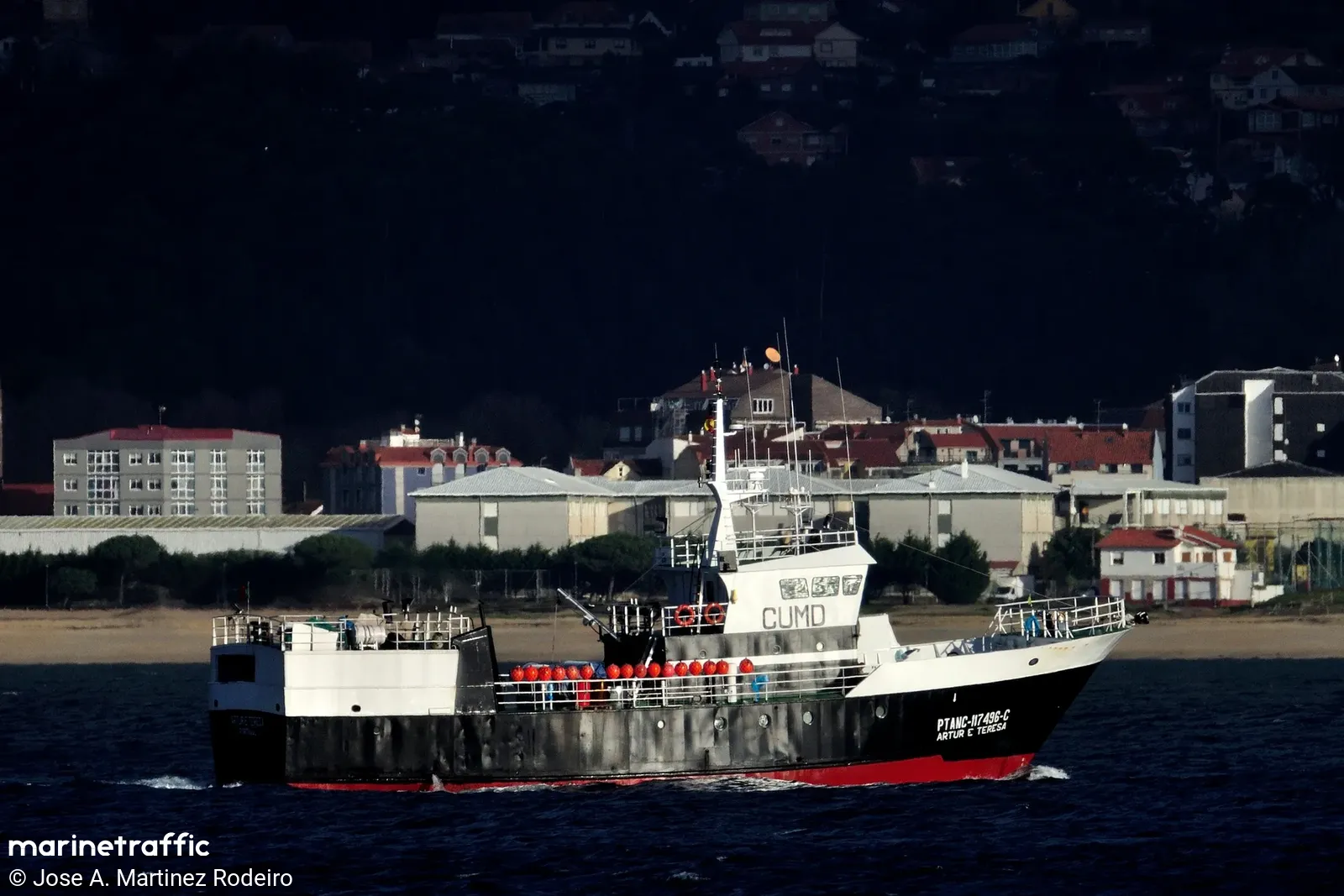
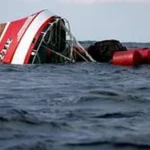
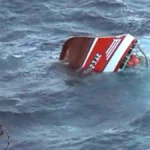
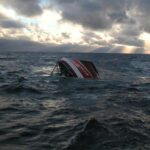
On the morning of December 16, the 21 meter long, 87 gt fishing vessel Carlos Cunha (MMSI: 263422240. Portuguese Reg: AN-197-C) sank in the Atlantic Ocean approximately 200 nautical miles off Aveiro, Portugal. The Carlos Cunha had reported to the 33 meter long fishing vessel Artur e Teresa (IMO: 9010187) that the vessel had been struck by a wave and suffered water ingress when communication was lost. Only when when authorities received a distress signal from the vessel’s EPIRB, that Carlos Cunha had foundered. The Artur e Teresa was nearby and headed to the last known location of the Carlos Cunha. The Artur e Teresa would find 3 of the crew of the Carlos Cunha in a life raft. Unfortunately, one crew member in the raft had suffered cardiac arrest and would perish shortly after being rescued. The surviving crew members reported that all 7 crew on the Carlos Cunhaabandoned ship, but only a few were able to get into the life raft.
Authorities launched a search and rescue mission for the missing 4 crew members. The Portuguese Navy and Air Force searched the vicinity where the fishing vessel had foundered, but no additional survivors would be found.
Photo: lavozdegalicia.es
Photo: lavozdegalicia.es
Photo: farodevigo.es
Photo: farodevigo.es
Reports state the Carlos Cunha had been lost before. On February 22, 2005, the fishing vessel (sailing under the name of Siempre Casina) sank in the Bay of Biscay off the coast of Ribadeo, Spain. Eight of the nine crew members perished during the incident. The investigation after the incident found the vessel had sunk quickly by the stern when the fishing holds flooded. The investigation suggested that modifications to the vessel may have contributed to the loss, but were later dismissed after a hull inspection.
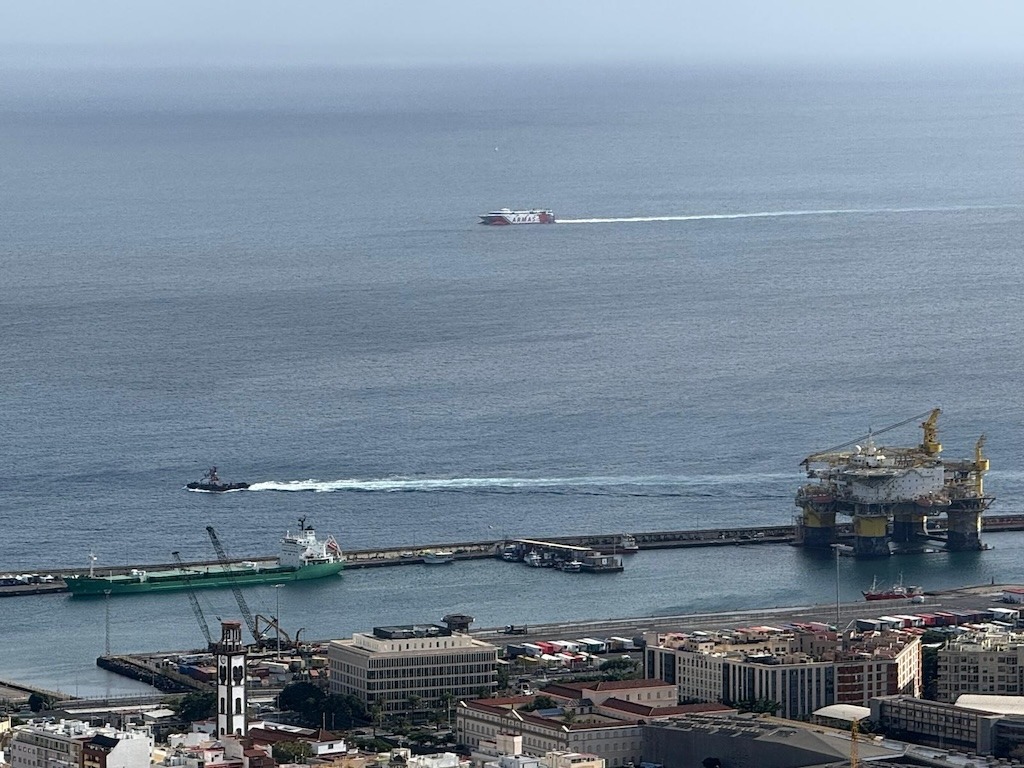
On the morning of December 17, the 95.5 meter long, 710 dwt high speed ro-ro ferry Volcán de Teno (IMO: 9221346) became disabled in the Atlantic Ocean between San Sebastián de La Gomera and Los Cristianos, Canary Islands. The vessel was halfway between the ports when it suffered problems with one of its engines. Proceeding at reduced speed under its own power in moderate seas, the Volcán de Teno diverted to Santa Cruz de Tenerife. The vessel arrived at the port assisted by 2 tugboats. There were no reports of injuries or pollution released.