Browsed by
Tag: Tanker

GT Unity

GT Unity

GT Unity
Photo: plo.vn

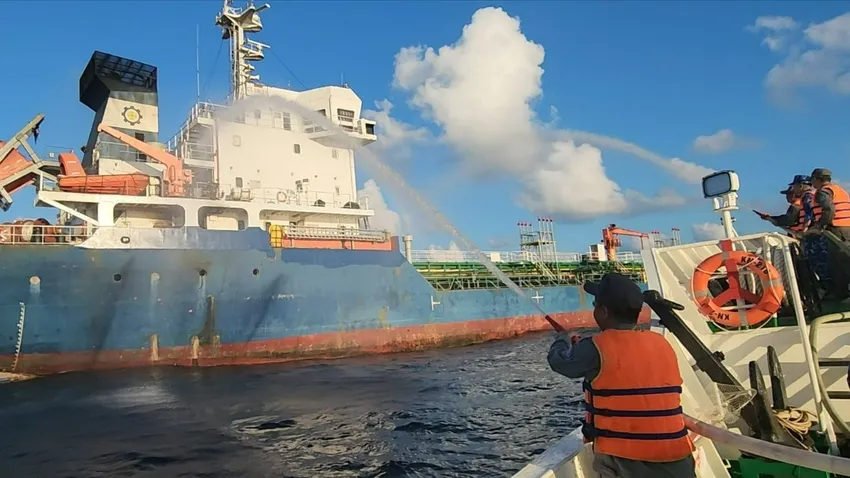
On the morning of August 8, the 118 meter long, 7631 dwt tanker GT Unity (IMO: 9507506) caught fire in South China Sea some 104 nautical miles south-southeast of Con Dao, Vietnam. The GT Unity was en route to Dung Quat from Malaysia with a cargo of 3800 tons of crude oil when a fire started in the vessel’s engine room. The blaze was started after an electrical short and quickly grew out of control. The crew contacted Vietnam authorities which requested other nearby vessels to assist as it sent out a rescue vessel to the scene.

Initial reports stated that 16 of the 20 crew on board the GT Unity had been evacuated off the vessel. One crew member was injured and taken by a rescue vessel back to shore.  The owner of the GT Unity was asked to secure additional vessels and fire fighting equipment.

Later reports stated that all crew off the GT Unity were rescued and the fire had been extinguished.  The extent of damage of the fire was not disclosed.

Coastal Legend

Coastal Legend

Coastal Legend
Photo: havariekommando.de

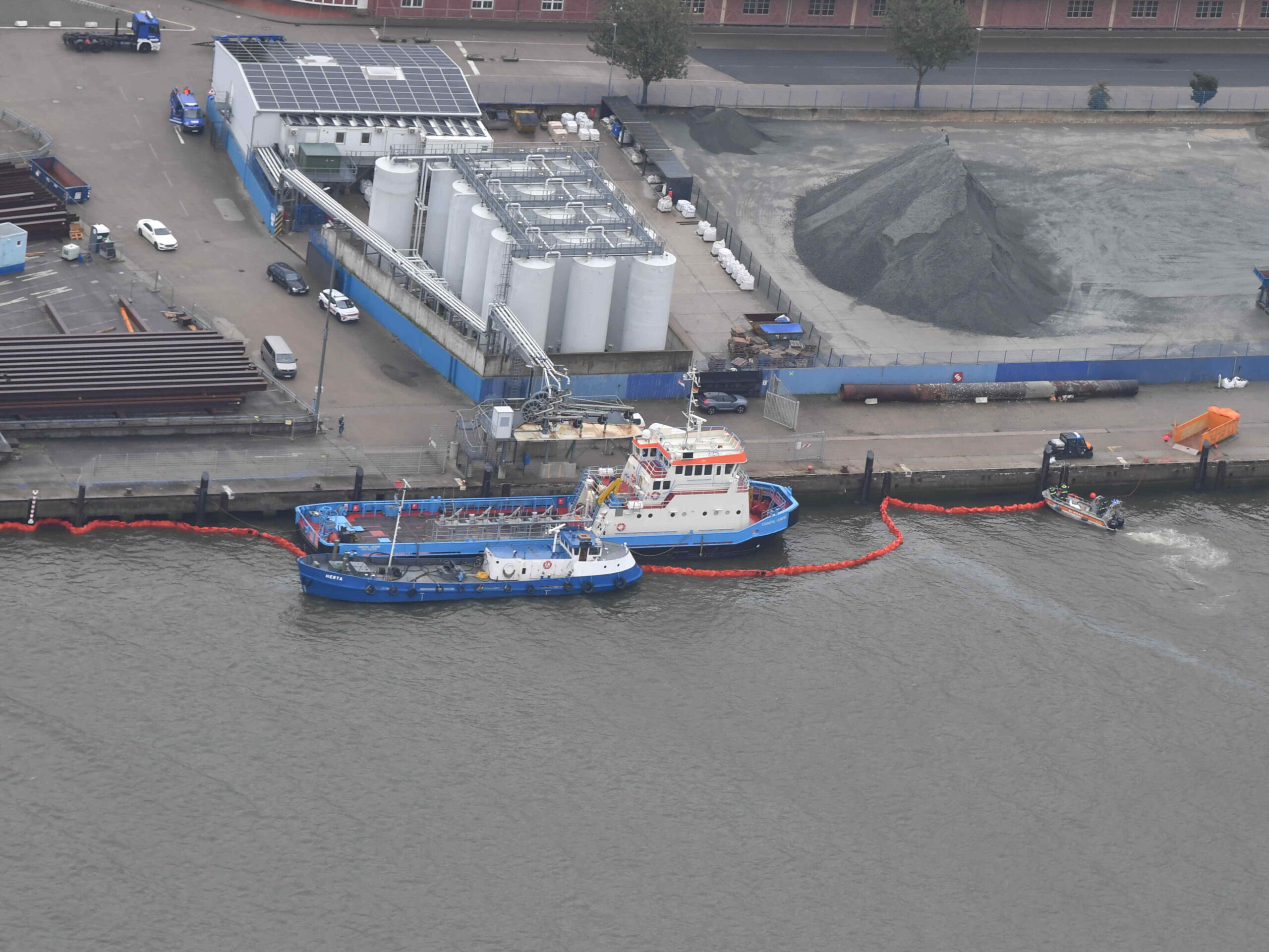
On the morning of July 23, the 69 meter long, 1340 dwt tanker Capella (IMO: 9280110) allided with the 44 meter long, 364 dwt offshore supply vessel Coastal Legend (IMO: 9102887) on the Elbe River at Cuxhaven, Germany. The Capella was entering the outer harbour in Cuxhaven when it struck the moored Coastal Legend. Full details on the extent of damage to the vessels was not disclosed, but the Coastal Legend suffered hull damage at the stern and a fuel tank was ruptured.  There were no reports of injuries, but there was pollution released from the Coastal Legend.

Authorities reported that six cubic meters of diesel fuel oil was released into Cuxhaven harbor. Oil skimmers were deployed to collect the pollution while a protection booms was placed around the Coastal Legend. The 31 meter long tanker Herta (MMSI: 211564050) arrived on site and the remaining fuel was pumped off the Coastal Legend. Authorities continued to monitor the cleanup efforts. Authorities have launched an investigation into the incident.


Fulda

Fulda

Fulda
Photo: x.com

On the afternoon of July 6, the 148 meter long, 19477 dwt chemical tanker Fulda (IMO: 9185865) exploded if the Gulf of Kurch near the port of Kandla, Gujarat, India. The Fulda had completed a discharge of a cargo of methanol at the Oil Jetty No. 2 in the port in Kandla and proceeded to leave port bound for Port Sohar, Oman.  A few hours later  the Fulda would explode ripping up most of its top deck apart. Witnessed by the nearby 175.5 meter long, 31858 dwt bulk carrier Team Focus (IMO: 9424132), the Fulda sustained massive damage but was still afloat. The master of the tanker stated there was no underwater damage and none of the 384 tons of fuel had not been released into the water.

However, the Fulda may have suffered some water ingress to its ballast tanks as it developed a 22 degree list to starboard that shifted to port as the crew attempted to stabilize the vessel. The 21 crew on board the tanker were later evacuated by the 31.5 meter long tug Orchid Star (IMO: 9658850) which had been dispatched from Kandla.  No details were reported if any crew had been injured from the incident.

Indian authorities dispatched multiple vessels from the Coast Guard along with multiple tugs to monitor the Fulda. The Coast Guard has sent out alerts to keep all vessel traffic away from the tanker due to the potential of fire or pollution being released. Latest reports state the Fulda was taken under tow back to Kandla.

The cause of the explosion is under investigation. Initial reports suggest the explosion was due to the improper venting of flammable vapors during the discharge. There has been no reports if the Fulda was in the practice of using inert gassing or if it allowed an air-vapor mixture to to build up in the tanks like what occurred on the Sansinena explosion in 1976. That explosion was so massive that sections of the vessel sent burning rivets into the air into the surround area and lead to changes to regulations on how venting was done on tankers.