Browsed by
Tag: Tugboat

The Bikin Incident

The Bikin Incident

Bikin
Photo: vladivostok1.ru

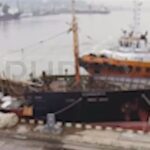
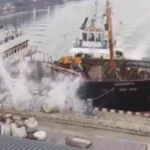
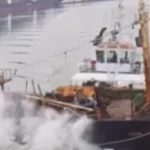
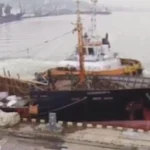
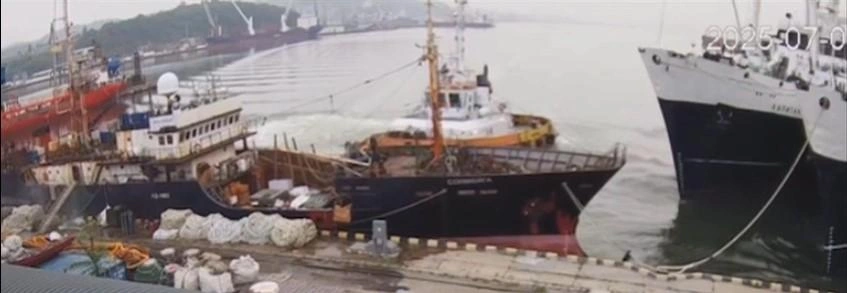
On the morning of July 1, the 28.5 meter long, 161 dwt tugboat Bikin (IMO: 9402134) allided in the Sea of Japan with the 56 meter long, 594 dwt fishing vessel Solveiga (IMO: 85220173) at Nakhodka, Russia. The Bikin was proceeding at full speed in the port of Nakhodka and struck head on into the moored Solveiga.  The port side of the Solveiga was severely damaged with a large section of the hull stoved in above the waterline.  The Bikin then immediately proceeded to back away from the Solveiga and departed from the area. There were no reports of injuries and no pollution was released.

This unusual “hit and run” incident was caught on video and presented to Russian authorities. The prosecutor in Nakhodka has launched a criminal investigation into the incident. Initial reports state the master of the Bikin had lost consciousness while at the wheel and there were no one else in the pilothouse at the time of the incident. The master stated he was exhausted from work as he had been working over a month without a single day off.  However, Russian authorities did not disclose the reason for the tugboat to immediately turn and leave the scene after the allision.  Nor there was any explanation why the crew on the Bikin didn’t check to see if anyone had been injured by the allision.

A “hit and run” allision typically occurs in anchorages and rarely if ever in a harbor.  These incidents usually involve larger vessels who have failed to keep a proper watch and strike an other vessel at anchor.  Depending on the size of the vessel, there are many cases where large container ships, bulkers and tankers have struck smaller fishing vessels and were completely unaware the incident took place.  However, there are only a few examples of a tugboat striking a moored vessel then leaving the site with someone at command.
Iron Horse

Iron Horse

Iron Horse
Photo: cheknews.ca

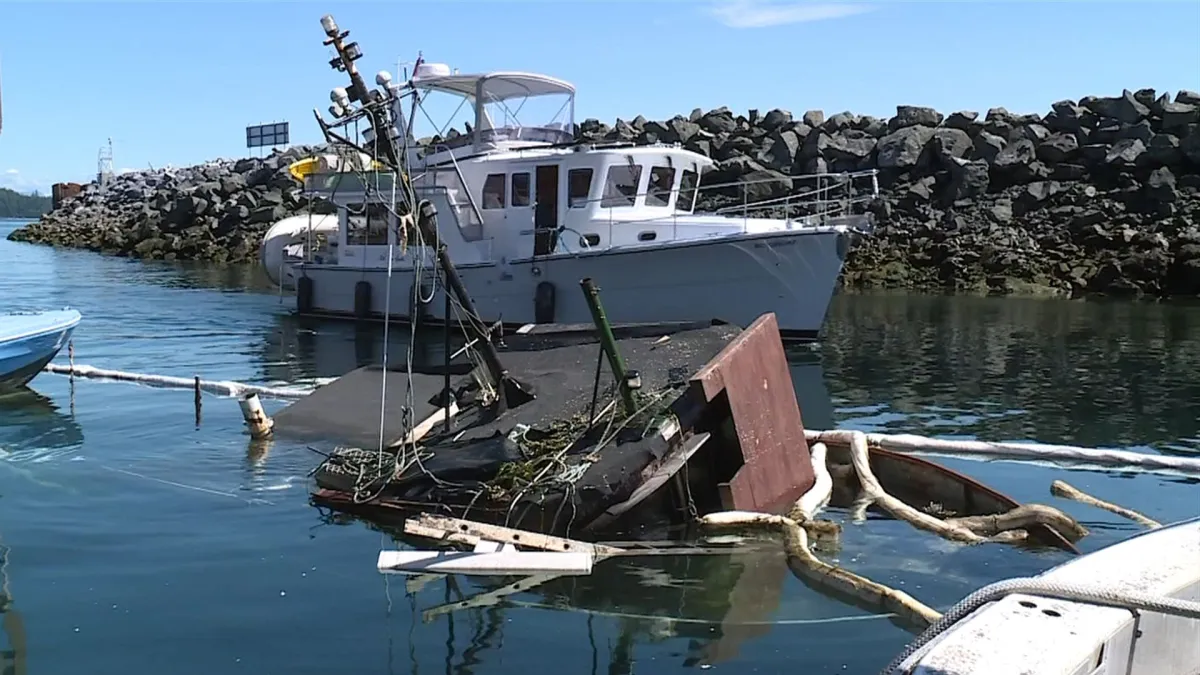
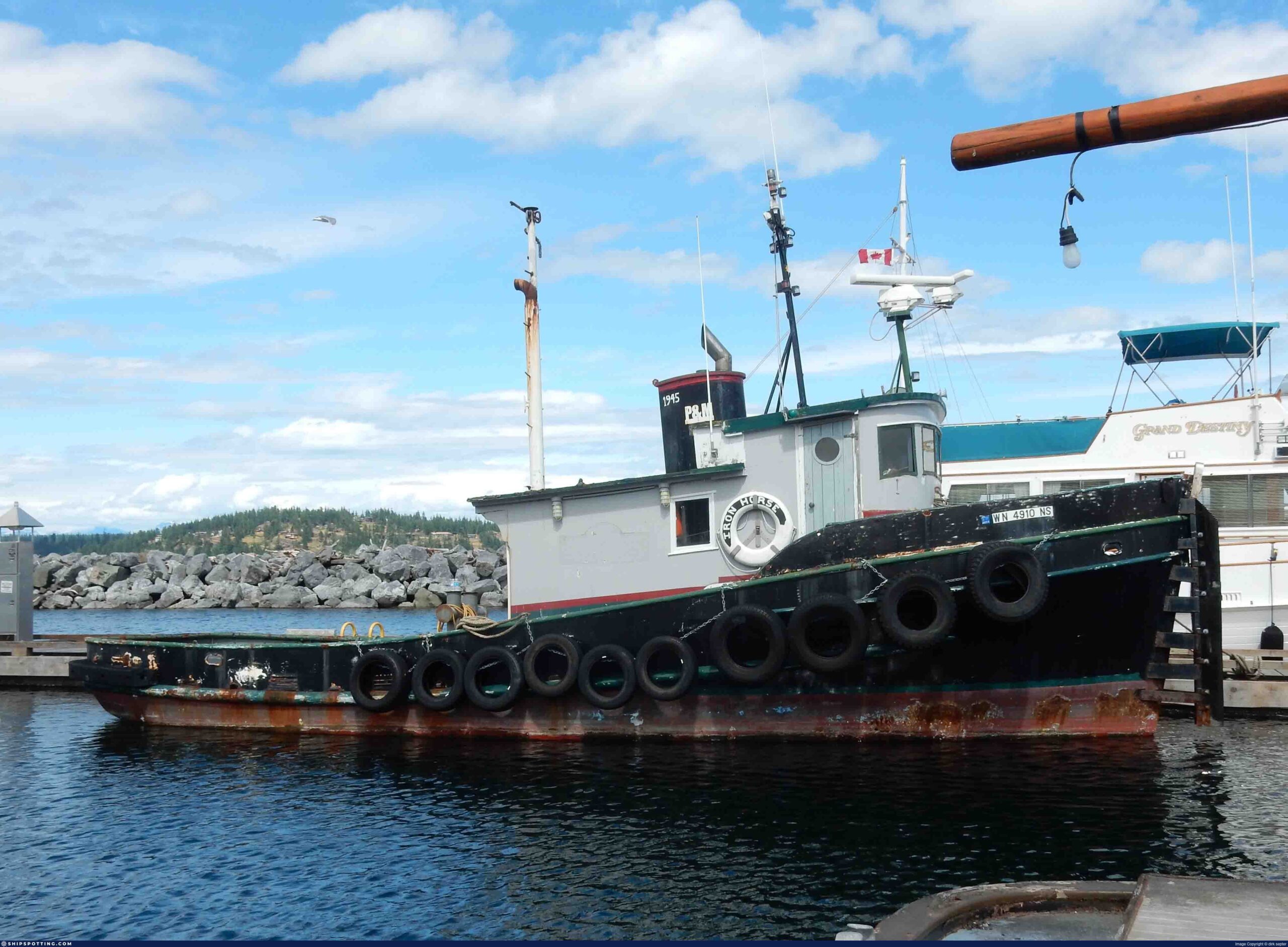
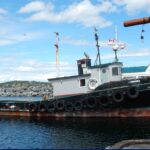
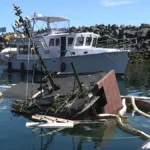
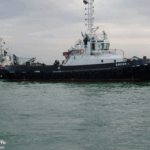
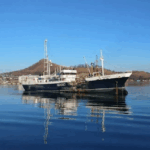
On July 7, the 15 meter long tugboat Iron Horse sank to the bottom in the Discovery Passage in Campbell River marina on Vancouver Island, British Columbia, Canada. The tugboat, built in 1945, had been derelict for some years and had suffered water ingress and partially sank in May 2025 before it completely sank in July.

Iron Horse
Photo: shipspotting.com

Port authorities reported that small amount of oil and diesel fuel pollution had been released from the tugboat. The Canadian Coast Guard had the owner remove the majority of the oil and fuel in 2023. The owner of the Iron Horse once lived in a makeshift houseboat tied next to the tugboat. The man was elderly and had moved away some time prior. Authorities state they do not have a current address for the owner.  The Iron Horse had no insurance.

The harbour authorities state they may have to pay for the cost of removing the tug and the pollution cleanup. Estimates could be as high as $100,000 CAN.  The Canadian Coast Guard will not be involved as the Iron Horse was not a navigational hazard and the amount of pollution is minor.

Fulda

Fulda

Fulda
Photo: x.com

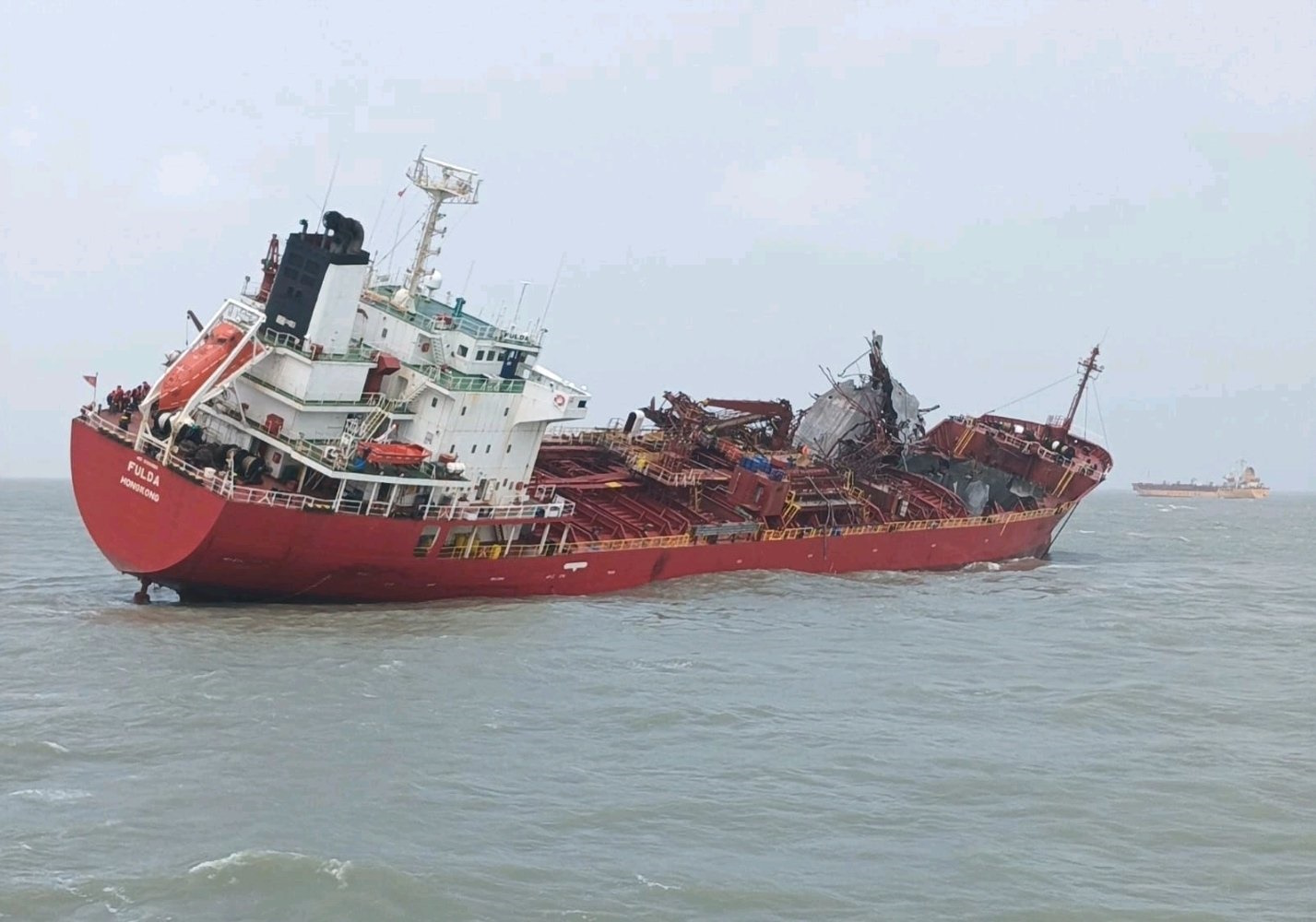
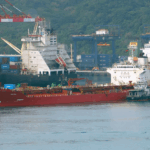
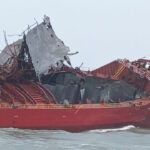
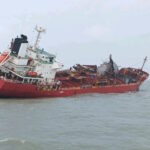
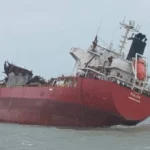
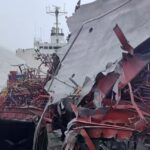
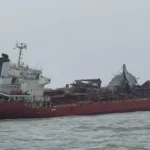
On the afternoon of July 6, the 148 meter long, 19477 dwt chemical tanker Fulda (IMO: 9185865) exploded if the Gulf of Kurch near the port of Kandla, Gujarat, India. The Fulda had completed a discharge of a cargo of methanol at the Oil Jetty No. 2 in the port in Kandla and proceeded to leave port bound for Port Sohar, Oman.  A few hours later  the Fulda would explode ripping up most of its top deck apart. Witnessed by the nearby 175.5 meter long, 31858 dwt bulk carrier Team Focus (IMO: 9424132), the Fulda sustained massive damage but was still afloat. The master of the tanker stated there was no underwater damage and none of the 384 tons of fuel had not been released into the water.

However, the Fulda may have suffered some water ingress to its ballast tanks as it developed a 22 degree list to starboard that shifted to port as the crew attempted to stabilize the vessel. The 21 crew on board the tanker were later evacuated by the 31.5 meter long tug Orchid Star (IMO: 9658850) which had been dispatched from Kandla.  No details were reported if any crew had been injured from the incident.

Indian authorities dispatched multiple vessels from the Coast Guard along with multiple tugs to monitor the Fulda. The Coast Guard has sent out alerts to keep all vessel traffic away from the tanker due to the potential of fire or pollution being released. Latest reports state the Fulda was taken under tow back to Kandla.

The cause of the explosion is under investigation. Initial reports suggest the explosion was due to the improper venting of flammable vapors during the discharge. There has been no reports if the Fulda was in the practice of using inert gassing or if it allowed an air-vapor mixture to to build up in the tanks like what occurred on the Sansinena explosion in 1976. That explosion was so massive that sections of the vessel sent burning rivets into the air into the surround area and lead to changes to regulations on how venting was done on tankers.