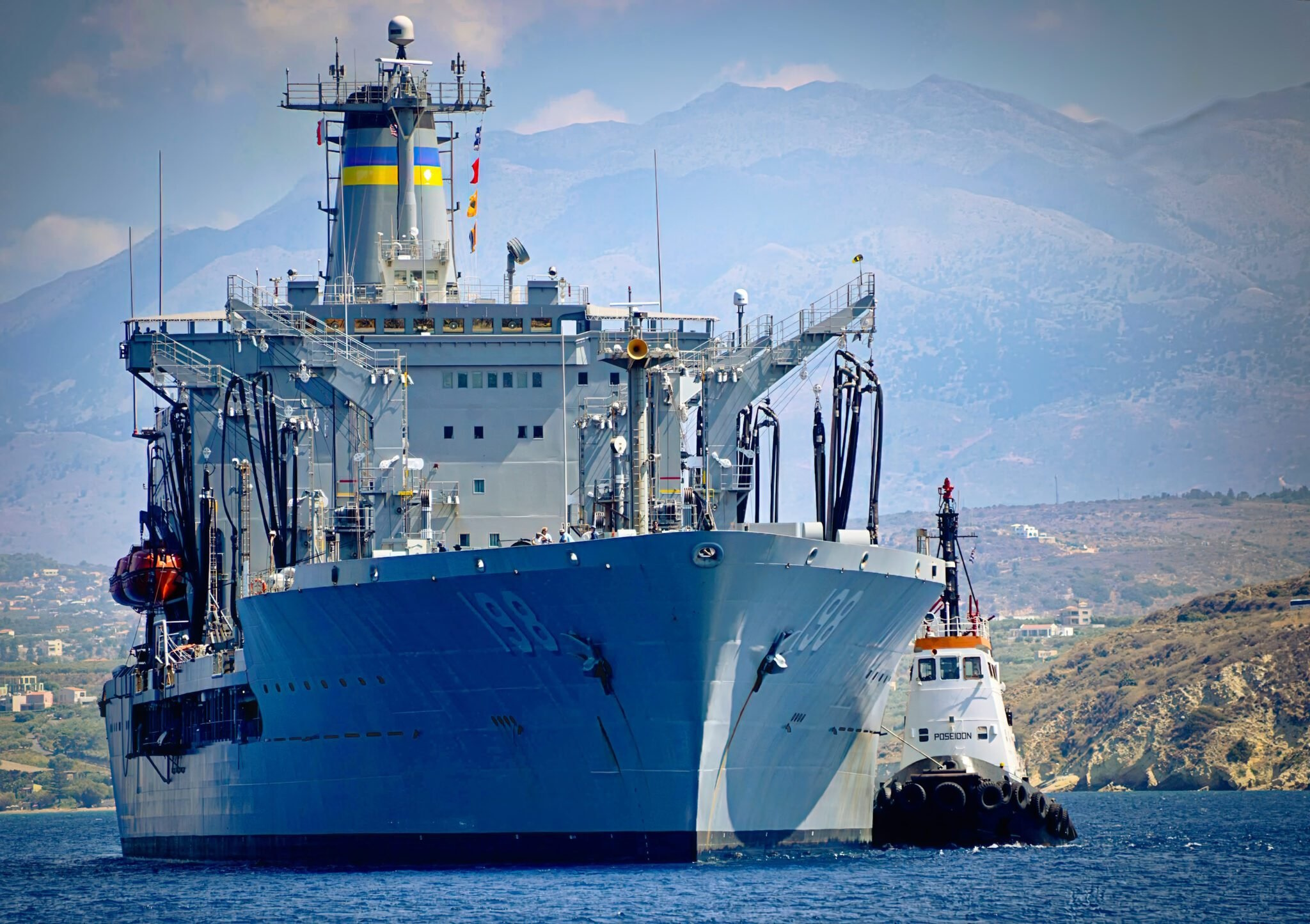
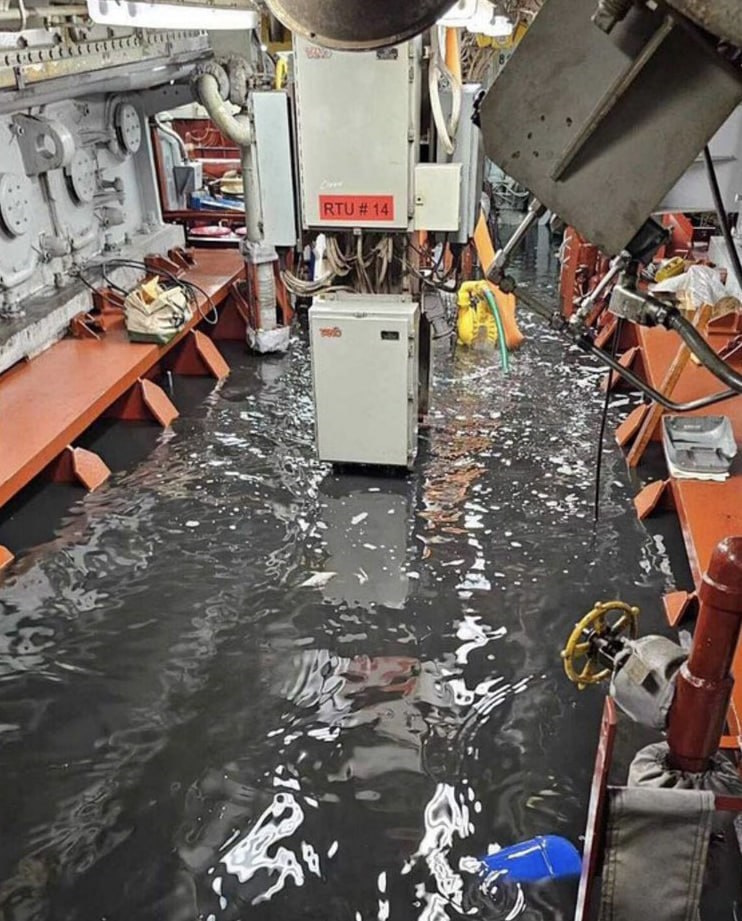
On September 23, the 208 meter long United States Navy oiler/auxiliary ship USNS Big Horn (IMO: 8812162) ran aground in the Arabian Sea off the coast of Oman. The single hulled vessel sustained hull damage including water ingress and damage to its rudder. Reports state the vessel was at anchor awaiting a tow to Dubai for repairs.
No reports of injuries. No details provided if any pollution was released.
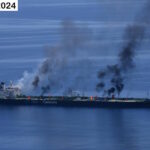
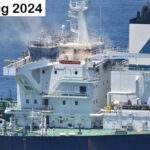
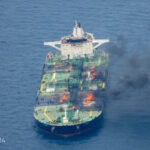
The Sounion was impacted by three projectiles on the starboard quarter damaging the engine room
A fire in the engine room had been contained, but the fire and explosion had caused a power blackout on the tanker
The crew was able to abandon ship with one crew member sustaining a minor injury
The Sounion was able to drop anchor
August 23
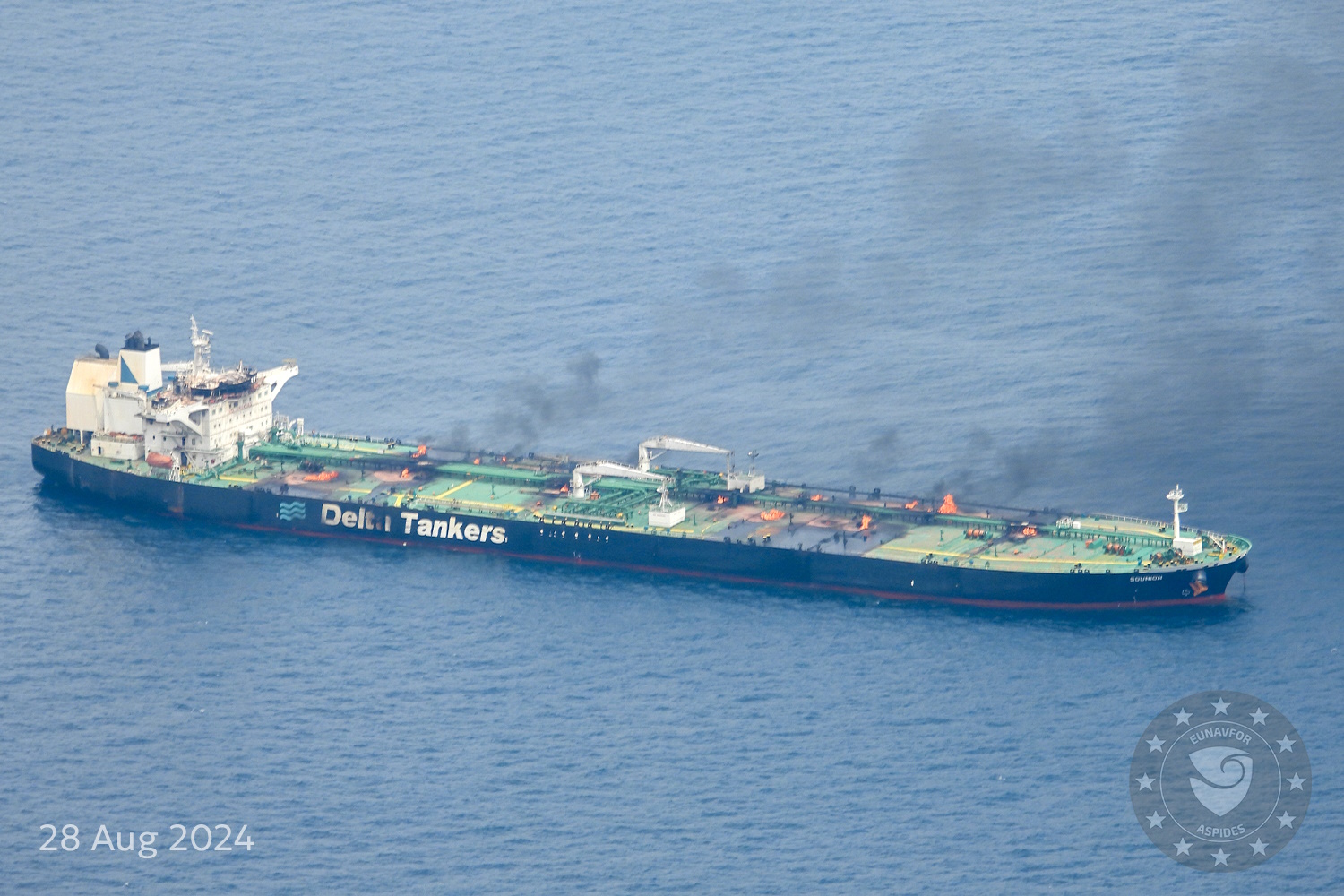
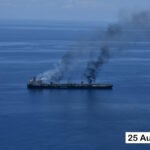
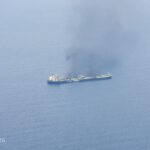
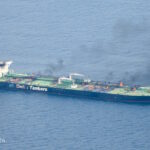
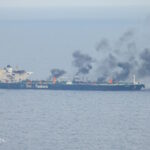
A second attack was executed on the abandoned 274 meter long, 163,759 dwt oil tanker Sounion (IMO: 9312145). Explosive charges were placed on the deck and detonated resulting in further explosions and fires on at least five sections on the main deck. The Sounion appears to still be afloat, but reports state the vessel’s structural integrity is at high risk.
Photo: EUNAVFOR ASPIDES
Photo: EUNAVFOR ASPIDES
Photo: EUNAVFOR ASPIDES
Photo: EUNAVFOR ASPIDES
August 28
An attempt to salvage the Sounion ended in failure. Two tugs were dispatched with plans to bring the tanker under tow to a safety, but these tugs were threatened with being attacked and the salvage attempted was called off. United States military reports that the Sounion has begun leaking crude oil, but no oil sheen is visible around the tanker. With over one million barrels of crude oil onboard, the Sounion has a potential of leaking nearly 4 times as much oil as released by the Exxon Valdez (257,000 barrels released in 1989). Reports state the Sounion could easily break apart as the tanker’s integrity continues to fail caused by the damage and fires.
Photo: EUNAVFOR ASPIDES
Photo: EUNAVFOR ASPIDES
Photo: EUNAVFOR ASPIDES
Photo: EUNAVFOR ASPIDES
August 29
Reports state salvage vessels and tugboat will be allowed to proceed to the Sounion. Multiple countries had made a plea to allow salvage in order to avoid environmental disaster which prompted the policy change. No details on how quickly the salvage team can reach the tanker and if the structural integrity will allow it to be towed to a secure location. It is assumed the priority is to extinguish the fires and cool down the hull before any lightering or taking the vessel under tow.
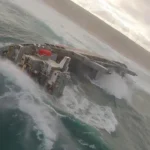
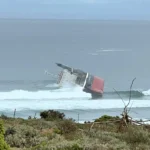
On July 10, the cargo vessel Ultra Galaxy went aground along a remote part of the west coast of South Africa known as Brand se Baai. The Ultra Galaxy had been abandoned days earlier when the cargo vessel had developed a heavy list and was in danger of capsizing. Authorities had dispatched two tugs to start salvage operations. Reports state the vessel had a full cargo of fertilizer in bags in the hold and fuel tanks loaded with fuel oil.
Photo: samsa.org.za
Photo: samsa.org.za
Photo: samsa.org.za
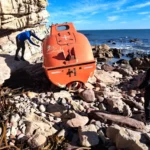
On July 12, a salvage team was working on site on the Ultra Galaxy. The cargo vessel had partially capsized and several cargo hatches had broken free. Authorities state the first goal is to remove the cargo along with fuel and hydraulic oil onboard to prevent further pollution being released. Teams are currently working the beach near the vessel and removing flotsam along with several cargo hatches from the beaches. Divers inspected the hull and attempted to seal the fuel tanks to prevent any further pollution being released.
Photo: samsa.org.za
Photo: samsa.org.za
Photo: samsa.org.za
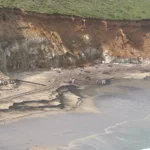
On July 16, authorities reported the weather has improved and salvage efforts are continuing. Unfortunately, many of the hatches of the cargo vessel were open to the sea allowing much of the fertilizer cargo to be washed away. Some of the fertilizer bags have reached the shoreline, but much of the cargo has been released into the sea.
Photo: samsa.org.za
Photo: samsa.org.za
Photo: samsa.org.za
Photo: samsa.org.za
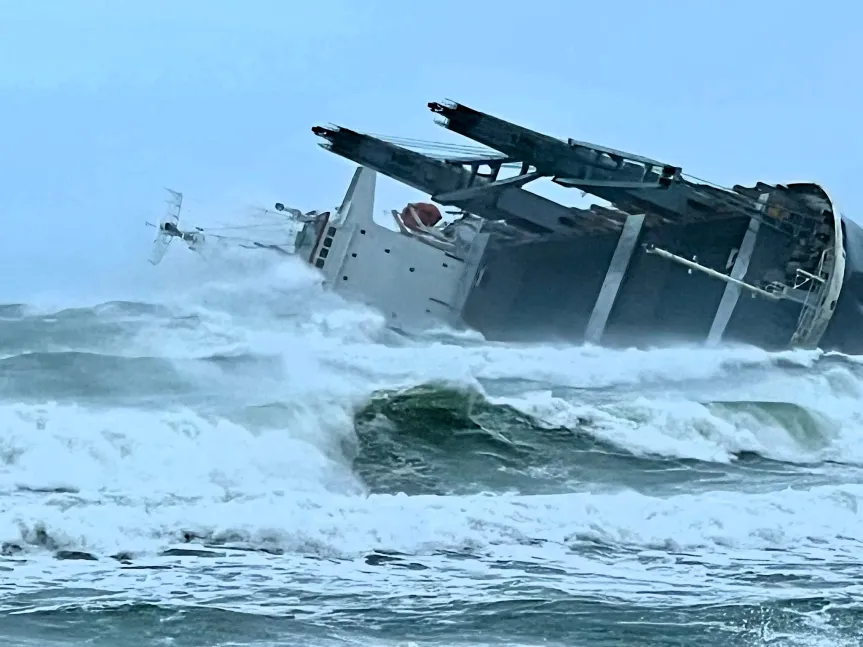
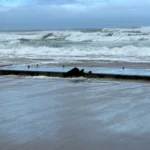
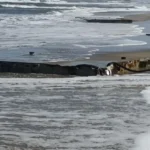
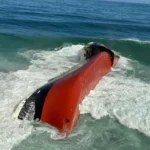
On July 28, salvage work on the Ultra Galaxy was slowed by bad weather. Salvage teams had been able to remove 8 tons of fuel oil and several oil drums off the vessel before another storm hit the area. Swells 7 meters high pounded the vessel which eventually caused the Ultra Galaxy to break up. The accommodation section broke off before the rest of the vessel split into several sections. Reports state an oil spill will impact the immediate area with pollution washing ashore. Authorities have deployed a team of some 125 people to the area to assist in the pollution cleanup.